
Skip Hire for End of Tenancy and Full House Clearance Projects
Managing waste during an end of tenancy project often becomes one of the most time-consuming parts of clearing a property, which is why many property owners rely on organised skip hire solutions to keep the process manageable. Furniture, damaged household items, unwanted belongings, old carpets, broken fittings, and general rubbish can accumulate quickly once tenants move out.
Whether the property is being prepared for new occupants, refurbishment work, sale, or inspection, having a practical waste removal solution in place helps maintain efficiency throughout the clearance process. Property clearances can vary significantly depending on the size and condition of the building.
Some projects involve removing a few bulky items from a flat, while others require complete waste removal from larger residential or commercial premises. In many situations, waste may include mixed materials such as wood, packaging, plasterboard, metal, garden debris, or non-recyclable household contents.
Planning waste removal properly from the beginning helps prevent unnecessary delays and disruption throughout the clearance process. For landlords, homeowners, surveyors, and local authorities, maintaining a clean and presentable property is often essential before inspections, maintenance work, or handovers can take place.
Reliable waste management allows properties to remain safer, more accessible, and easier to prepare for future use. Many people choose professional waste removal support because it simplifies the handling of large quantities of unwanted materials while reducing the number of individual disposal trips required.
Understanding Waste During End of Tenancy Clearances
End of tenancy waste can include a wide range of materials depending on the type of property involved and how long the occupants remained there, which is why organised skip hire arrangements are often used to manage waste more efficiently. Household clearances frequently produce broken furniture, damaged appliances, old mattresses, flooring materials, clothing, packaging, and general rubbish that has accumulated over time.
In commercial properties, waste may include shelving, office equipment, partition materials, paperwork storage units, or refurbishment debris that requires structured disposal throughout the clearance process. One of the biggest challenges during property clearances is managing waste efficiently without allowing it to obstruct access routes or slow down ongoing work.
Accumulated rubbish can quickly reduce available working space, making cleaning, maintenance, inspections, or repair work more difficult to complete. Structured waste disposal helps properties remain organised throughout the clearance process while supporting safer working conditions for everyone involved.
Timing also plays an important role in end of tenancy projects. Many landlords and property managers work within strict schedules between tenants, particularly when repairs, decorating, or maintenance work must be completed before new occupants arrive. Efficient waste removal helps prevent delays that could affect tenancy agreements, property listings, or contractor access.
Different types of waste also require different disposal considerations. Heavy materials such as timber, rubble, and damaged fixtures may need more robust containment solutions than standard household waste. Larger projects involving renovations or strip-outs may generate significant volumes of debris within a short period, requiring careful planning to avoid disruption to neighbouring properties or surrounding areas.
In many situations, organised waste disposal also helps improve the overall appearance of the property during viewings or inspections. Empty and well-maintained spaces are easier for prospective tenants, buyers, or surveyors to assess properly without distraction from unwanted materials or clutter.
Clear spaces also allow maintenance issues to become more visible so that repairs can be addressed more efficiently. Professional waste management solutions help ensure unwanted materials are handled responsibly while supporting smoother project coordination across residential and commercial environments.
Choosing Suitable Waste Removal Solutions for Different Properties
Every property clearance comes with different waste management requirements depending on the size of the property, the amount of waste involved, and the accessibility of the site. Proper planning helps ensure waste is removed efficiently while supporting smoother property maintenance, refurbishment, and tenancy transition projects.
Property Size and Project Scale
- Smaller residential properties may only require limited waste capacity for unwanted furniture and household rubbish.
- Larger refurbishment projects often generate heavier construction-related waste over longer periods.
- Multi-room clearances and commercial strip-outs usually require more structured waste handling arrangements.
Smaller Property Clearance Projects
- Compact properties and restricted outdoor spaces may benefit from smaller waste containers.
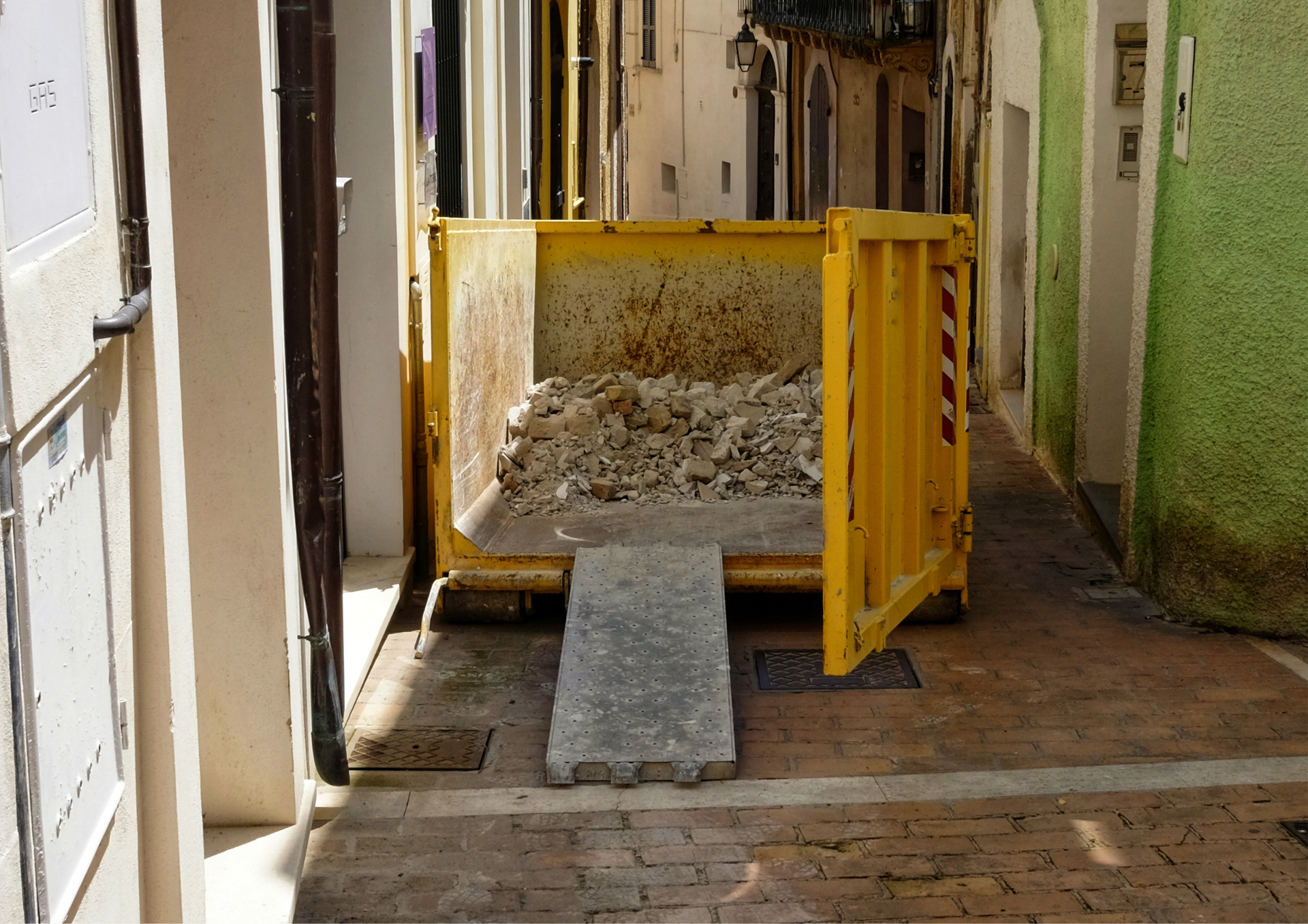
- Small skip hires are often suitable for loft clearances, garden projects, flat renovations, and tenancy clean-outs.
- Limited access areas may require careful positioning to maintain safe access around the property.
Larger Clearance and Refurbishment Projects
- Larger projects involving office clearances or refurbishment work typically produce greater volumes of waste.
- Bulky materials, timber, and construction debris may require higher waste capacity.
- Ongoing site work often benefits from organised large skip hire arrangements to maintain cleaner working environments.
Accessibility and Site Planning
- Narrow roads, restricted parking, and limited loading areas can influence waste collection arrangements.
- Residential streets and commercial premises may require more careful delivery and collection coordination.
- Safe positioning helps minimise disruption during loading and waste removal.
Waste Type and Disposal Requirements
- Household waste, green waste, timber, and heavy materials all require different disposal considerations.
- Heavier materials can affect overall waste capacity more quickly than lighter rubbish.
- Proper waste planning helps reduce overfilling and supports more efficient site management.
Property Management and Ongoing Maintenance
- Structured waste handling helps landlords and property professionals maintain consistency across projects.
- Organised waste disposal supports faster turnaround times between tenants.
- Cleaner and more accessible properties help maintenance teams work more efficiently during refurbishment and clearance projects.
Factors That Influence Waste Removal Planning and Costs
Several practical factors influence how waste removal projects are planned and managed across residential and commercial properties. Understanding these considerations helps property owners, landlords, and contractors organise waste disposal more efficiently while supporting smoother clearance and refurbishment work.
Waste Volume and Project Scale
- Larger clearances involving bulky furniture, refurbishment debris, or multiple rooms usually require greater disposal capacity.
- Smaller domestic projects often produce lighter household rubbish that may require less space.
- The overall volume of waste can significantly affect project planning and disposal arrangements.
Project Duration and Ongoing Waste Management
- Some property clearances are completed within a single day, while larger refurbishments may continue for several weeks.
- Longer projects often require ongoing waste removal to prevent materials from accumulating around the site.
- Regular waste collection helps maintain cleaner and more organised working environments.
Accessibility and Site Coordination
- Restricted parking, narrow roads, and shared entrances can affect how waste collections are arranged.
- Limited loading space may require more careful coordination during deliveries and collections.
- Accessibility challenges can influence vehicle positioning and general site organisation.
Material Weight and Waste Type
- Heavy waste materials such as concrete, timber, plasterboard, bricks, and soil can increase disposal loads quickly.
- Different waste materials require different handling considerations during clearance projects.
- Understanding the type of waste involved helps ensure suitable disposal arrangements are made from the beginning.
Cost Considerations and Planning
- Many property owners researching skip hire cost are comparing factors such as waste volume, project duration, accessibility, and container size.
- Larger commercial clearances and refurbishment projects may involve more complex planning requirements.
- Careful organisation helps improve efficiency throughout the waste removal process.
Environmental Responsibility
- Many modern clearance projects now focus on separating recyclable materials where possible.
- Responsible waste management helps reduce unnecessary landfill disposal.
- Organised waste handling supports cleaner and more environmentally conscious working practices.
Weather and Outdoor Clearance Projects
- Rainfall and strong winds can affect larger outdoor waste removal projects.
- Wet materials may become heavier and more difficult to manage safely.
- Prompt waste removal helps reduce disruption caused by changing weather conditions.
Efficient Project Coordination
- Proper planning helps minimise disruption during property clearances and refurbishment work.
- Organised waste management supports safer and more accessible working conditions.
- Structured disposal arrangements help projects progress more smoothly from start to finish.
The Importance of Reliable Waste Management for Property Projects
Effective waste management plays a significant role in maintaining organised, accessible, and professional-looking properties throughout tenancy transitions and refurbishment work. Accumulated rubbish not only affects the appearance of a property but can also slow down cleaning, decorating, surveying, or repair tasks if waste is not removed efficiently.
For landlords preparing properties for new tenants, maintaining a clean environment supports faster turnaround times and improves the presentation of the property during viewings or inspections. Empty and organised spaces allow maintenance teams to complete work more efficiently while helping prospective tenants visualise the property more clearly.
Surveyors and local authorities also benefit from well-managed properties during inspections and assessments. Clear access to walls, flooring, structural areas, and utility spaces allows surveys and compliance checks to be carried out more effectively without unnecessary obstruction from stored waste or discarded materials.
Commercial property clearances often require even greater coordination due to tighter schedules and larger waste volumes. Office refurbishments, retail unit clearances, and industrial property projects can generate substantial amounts of mixed waste over relatively short periods. Structured disposal arrangements help maintain safer and more efficient working environments while reducing disruption to surrounding businesses or public areas.
Many people searching online for skip hire near me are often looking for practical and dependable waste management support that can simplify demanding property projects while helping maintain organisation throughout the clearance process. Reliable arrangements allow waste to be managed more effectively without placing additional pressure on property owners or contractors.
Well-organised waste management also contributes to safer site conditions. Removing unwanted materials regularly helps reduce trip hazards, improves movement around the property, and supports cleaner working environments for tradespeople, cleaners, surveyors, and maintenance teams involved in the project.
As property standards and environmental expectations continue to evolve, organised waste handling remains an essential part of responsible property management across both residential and commercial sectors.
Skip Hire Yeovil
provides dependable waste management solutions designed to support property clearances, refurbishment work, tenancy transitions, and general waste removal projects throughout the local area. Practical service arrangements help residential and commercial customers manage waste efficiently while maintaining organised working environments.
Our approach focuses on reliability, clear communication, and flexible skip hire solutions suitable for a wide range of projects. Whether handling household clearances, commercial refurbishment waste, or ongoing property maintenance, we help customers arrange practical waste disposal services that suit the scale and demands of their project while keeping waste management organised throughout the process.
Latest Post on X:
Skip hire services for end of tenancy and bulky waste removal.
You might also like